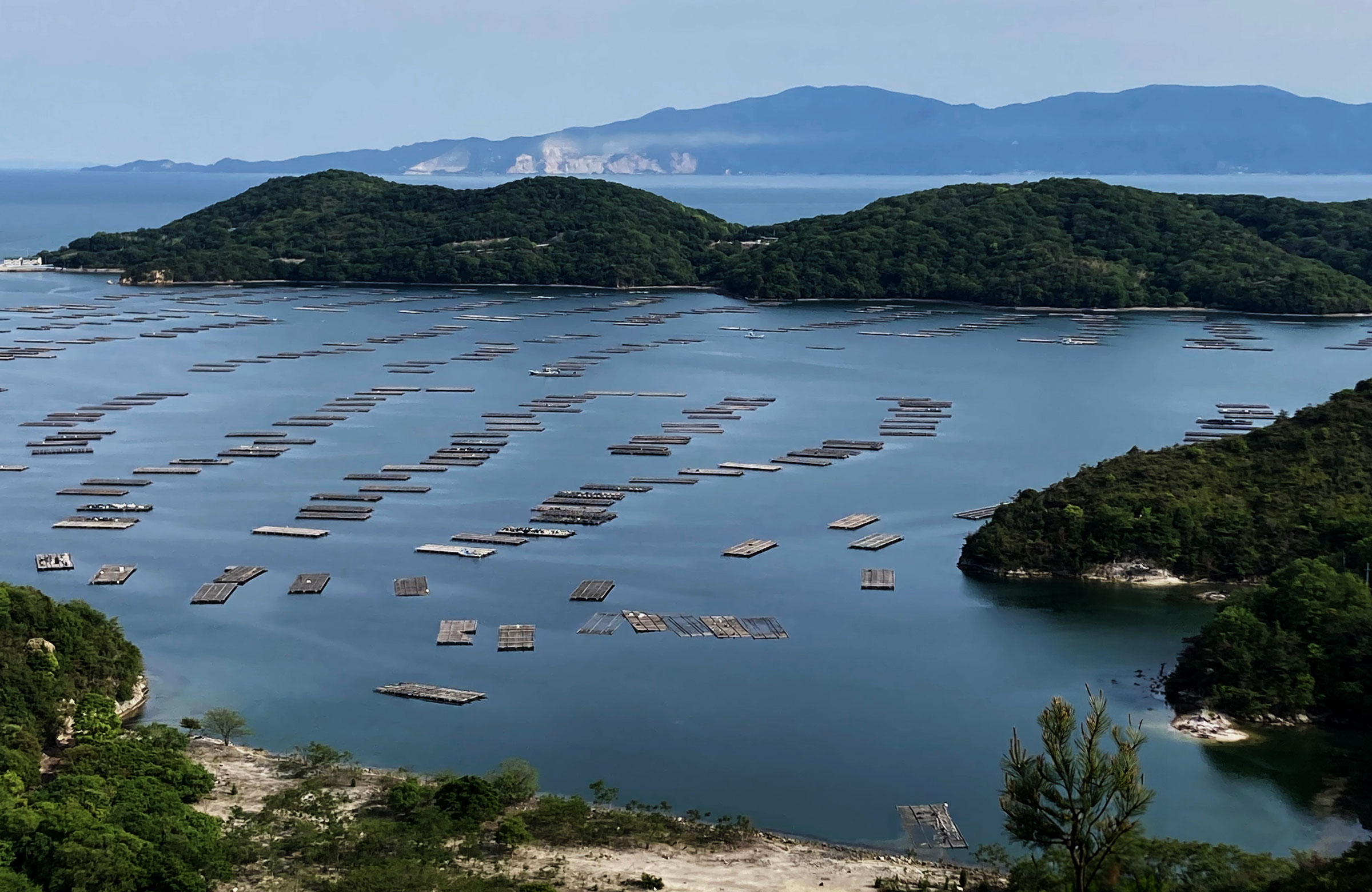
Facing the Seto Inland Sea, the town of Okucho in Okayama Prefecture is a small but important hub of oyster production. Here, fishers cultivate oysters using the rope-grown (suikashiki) method, suspending ropes from floating rafts into the calm waters. The technique is simple but effective, and Okucho accounts for nearly half of Okayama’s oyster harvest.
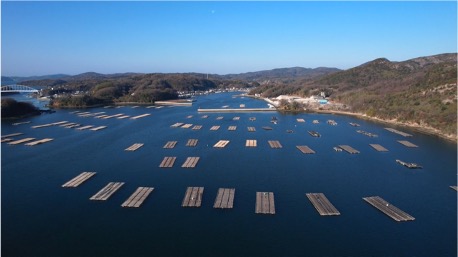
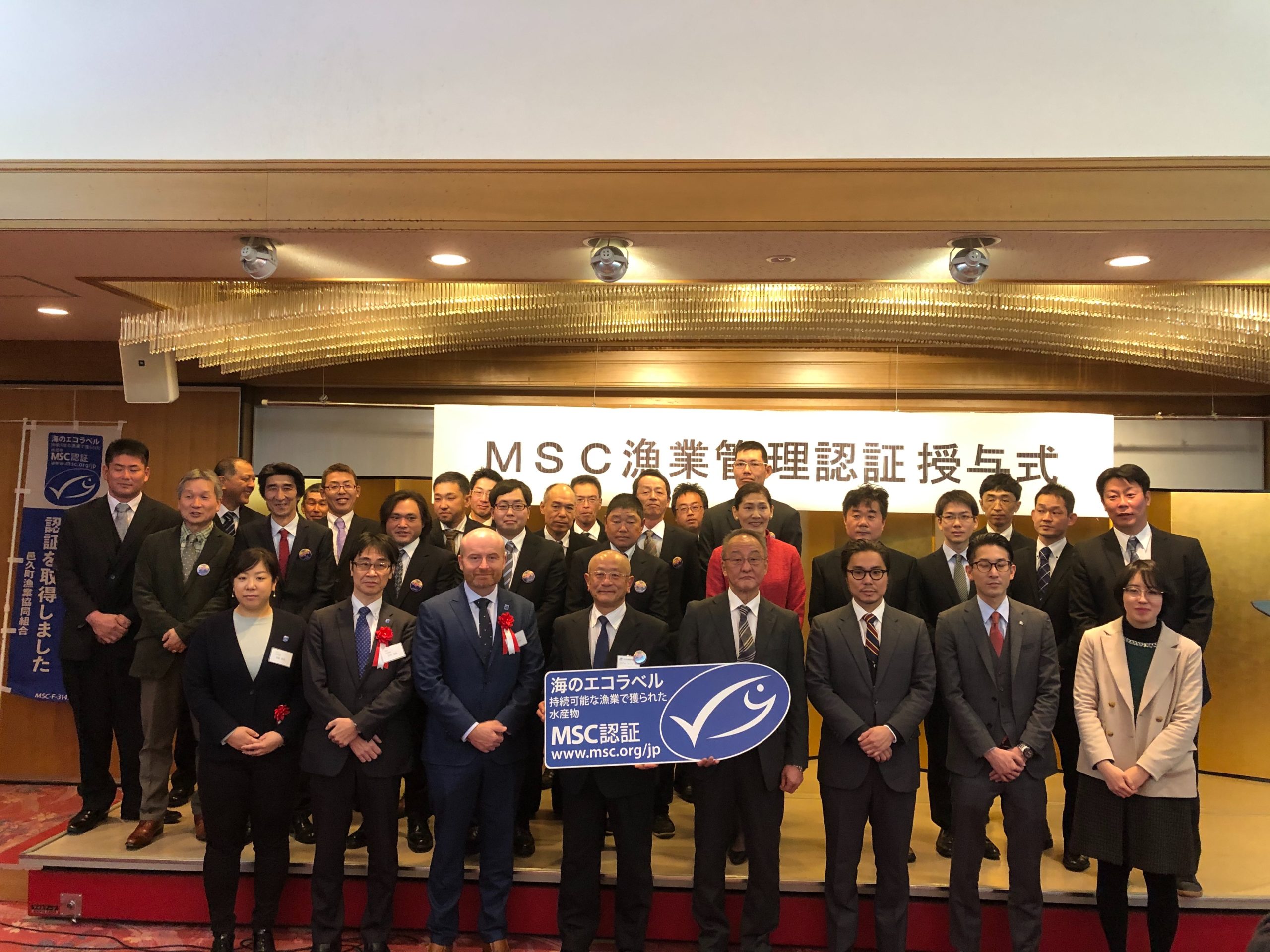
In 2019, a bold initiative began. Led by seafood processor and distributor Maruto Suisan, and supported by the Okucho Fisheries Cooperative with consulting from UMITO Partners, the town set out to obtain MSC fishery certification. By December that year—after just seven months—they had achieved a global first: the world’s first MSC certification for rope-grown oyster fishing.
The recognition gave Okucho new visibility, but more importantly, it sparked a transformation in how the community thinks about its future.
A President with a Different Perspective
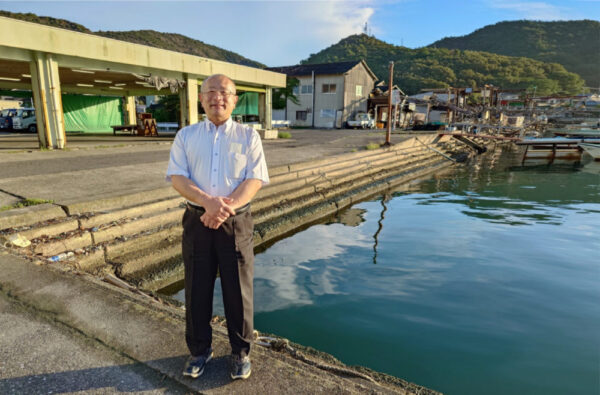
Masaki Matsumoto, President of the Okucho Fisheries Cooperative, didn’t start out as a fisherman. He was once a sales representative at a trading company before marrying into an oyster-farming family and taking over in his forties. Two decades later, he became head of the co-op—just as membership was shrinking.
“When I started, there were over 80 families farming oysters here. Now there are only 57, and the number continues to fall because of the lack of successors,” Matsumoto recalls. “At the same time, oyster consumption itself is declining. I began to think that certification could help us stand out, attract recognition, and remind people that healthy oysters come from a healthy sea.”
It was Matsumoto’s sales background that helped drive the effort forward. Rather than relying on tradition alone, he saw certification as both a business opportunity and a way to instill pride among younger fishers.
Building a Young Team
A team of about 20 members—mostly younger fishers—was formed to lead the certification push. Matsumoto insisted on putting them at the center.
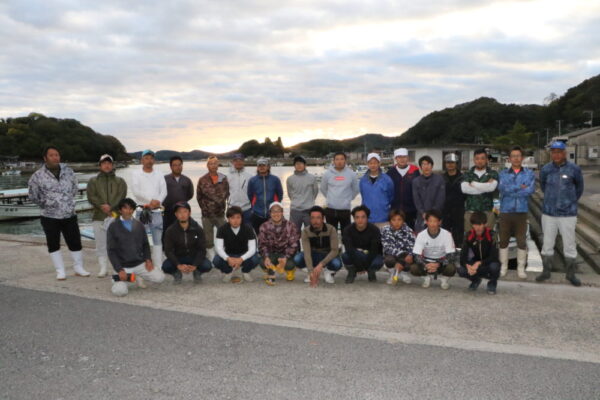
“They’re the ones who will carry on this fishery,” he explains. “Even if we hadn’t gotten certified, I wanted them to gain awareness about protecting the ocean. And I wanted them to feel proud of Okucho. We’re surrounded by better-known places like Hinase and Ushimado, but Okucho itself wasn’t recognized. MSC gave us a way to change that.”
With Maruto Suisan taking the lead on logistics and data collection, and UMITO Partners providing technical guidance, the group pushed through the demanding process—submitting surveys on ecosystems, endangered species, and legal compliance.
“It usually takes 18 months,” recalls Dr. Mao Mori of UMITO Partners. “Okucho did it in seven. That speed was only possible because Matsumoto-san mobilized people so effectively. He brought a different skill set—communication, coordination—that made all the difference.”
From Participants to Professionals
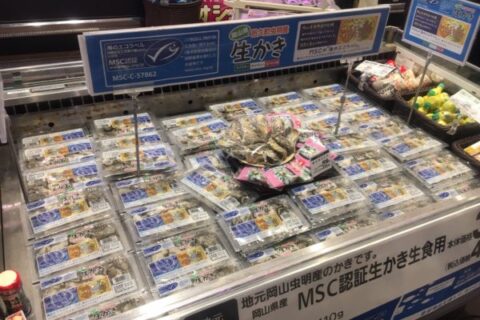
Certification changed more than just market access. Okucho oysters began appearing in major supermarkets and restaurants like Shibuya’s d47 Shokudo. Buyers were easier to approach. But the most profound shift happened within the cooperative itself.
“The biggest change was in the mindset of the younger team,” Matsumoto says. “Before, if we organized a beach cleanup, some would join reluctantly. Now they clean voluntarily—and bring back more trash than before. They understand why it matters, and they actually enjoy it.”
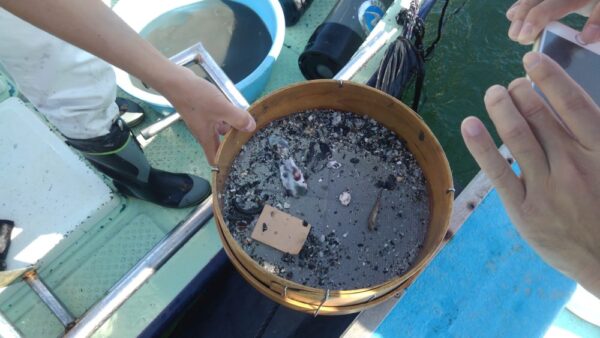
Annual audits added new responsibilities, such as monitoring endangered species and surveying the seabed around oyster rafts. At first, fishers questioned why they had to take on this work themselves.
“But during a recent audit,” Dr. Mori notes, “one fisher clearly explained the purpose of the surveys to the auditor. That moment showed me they had become professionals—people who not only farm oysters, but also understand and communicate the science behind their practices. I think this will become the new standard for Okucho.”
Looking Ahead: Decarbonization and Succession
Since certification, the cooperative has expanded its vision. With support from UMITO Partners, they host study sessions covering everything from certification schemes to fisheries rights and ocean management. “We know how to farm oysters,” Matsumoto admits, “but not always the bigger picture—like zoning or resource rights. UMITO Partners act almost like interpreters, helping us understand and engage.”
The co-op is also tackling broader issues. In 2024, Setouchi City was designated a Leading Decarbonization Area by Japan’s Ministry of the Environment, with Okucho Fisheries Cooperative as a co-proposer. One initiative aims to recycle retired oyster rafts—once burned as waste—into biomass fuel for local industry.
Another challenge is cold storage. As demand for frozen oysters grows, the cooperative is investing in expanded refrigeration facilities to extend shipping seasons and strengthen sales.
Yet succession looms as the greatest concern. “Most of today’s producers are second or third generation, but newcomers face huge barriers. Starting an oyster farm requires major investment,” Matsumoto says. The co-op is working with the prefecture and city to host symposiums and job fairs, hoping to attract new entrants and match them with farms lacking successors.
“It’s No Longer Enough to Just Know Oysters”
For Matsumoto, certification was never the finish line—it was the beginning.
“In the past, fishers only needed to know oysters. But now, we must think about sustainability, carbon neutrality, regional economies. If the fishery disappears, the community disappears. Certification isn’t a one-time achievement—it has to be sustained. We have to keep pushing forward.”
The world’s first MSC certification for rope-grown oysters gave Okucho pride, recognition, and new opportunities. But perhaps more importantly, it gave the next generation of fishers the tools and mindset to see themselves not just as oyster farmers, but as stewards of the sea.
Photo : UMITO Partners
Text : Nahoko Imamura / Edit:Miyu Gorai
English adaptation and editing: Louie Okamoto, with AI-assisted translation
Writer/Editor Profiles
Written by: Nahoko Imamura (Freelance Writer)
After starting her career in the HR department at Sony, where she was involved in international and new graduate recruitment, Nahoko Imamura joined CRAZY Inc., known for its custom-made wedding brand “CRAZY WEDDING.” As a coordinator, she planned and managed weddings for over 100 couples. Since becoming a freelancer in 2022, she has worked across various fields including community development, event planning, writing, and project management. Drawing on her HR background, she has authored numerous executive interviews and recruitment-related articles.
Edited by: Miyu Gorai (Co-Founder & PR Producer, worg Inc.)
Miyu Gorai was involved in organizational development from the early days of CRAZY Inc., later moving from the wedding division into a role in public relations. She also has experience managing editorial operations for owned media. In 2020, she became independent and co-founded worg Inc., a company that partners with businesses to provide PR support from a management perspective. Drawing on her in-house PR experience, she designs and implements comprehensive internal and external communication strategies.