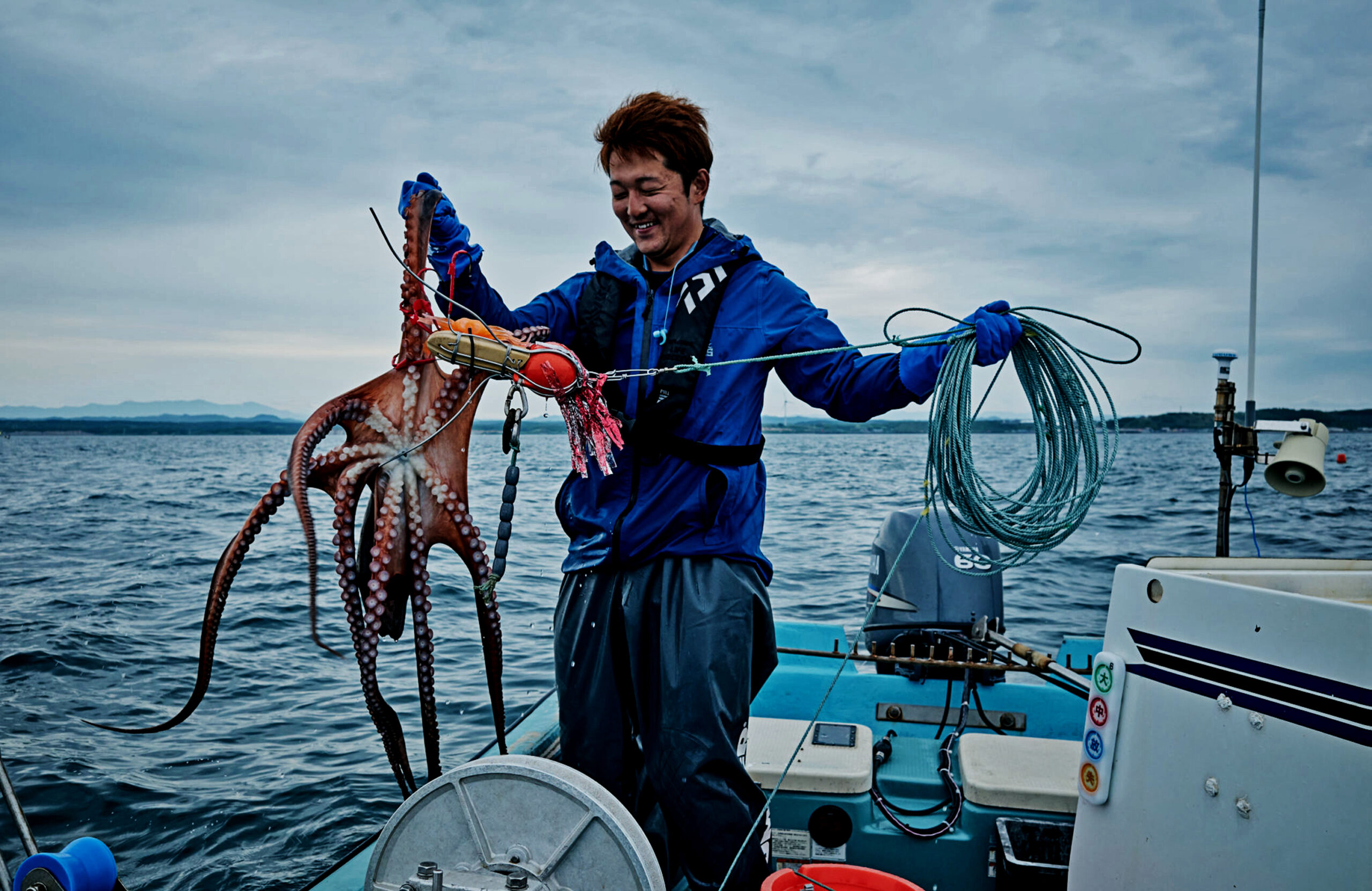
In the quiet town of Tomamae, a windswept fishing village on Hokkaido’s northwest coast, one man is leading a movement that may reshape the future of coastal fisheries in Japan.
With fewer than 3,000 residents, Tomamae is famous for its fierce winds, which power an energy system so efficient the town boasts over 500% energy self-sufficiency. But while the wind turbines turn steadily, life in the port has grown quiet. Fishing catches have dwindled, young people have left, and the community faces an uncertain future.
Amid these challenges, fisherman Koichi Ogasawara is working to revive not only his hometown’s economy but also its spirit—by keeping alive a traditional method of octopus fishing and transforming it into a model of sustainability.
A Fisherman with a Vision
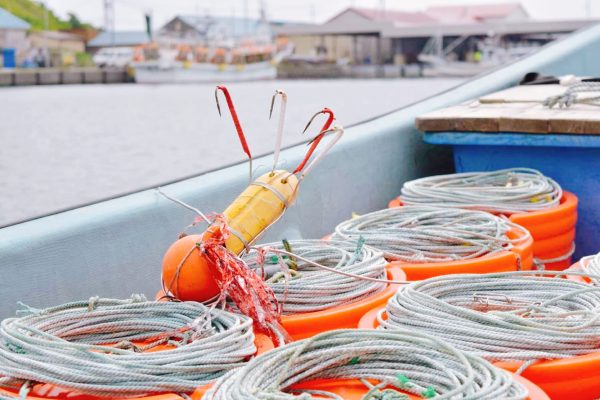
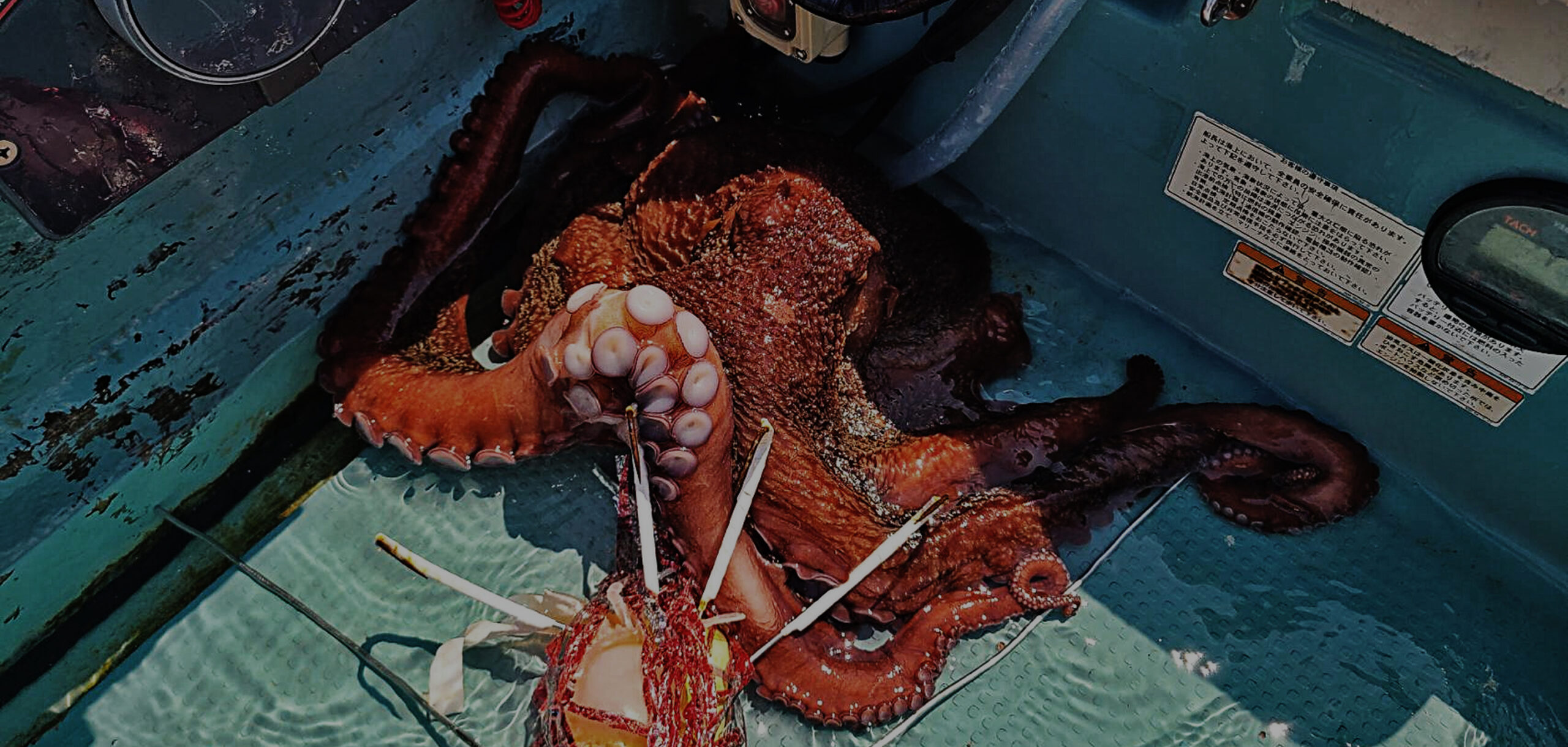
Ogasawara practices tarunagashi, or barrel drift fishing—a time-honored method that relies on handmade gear drifting with the tide to catch giant Pacific octopus (mizudako). But in 2019, as catch volumes declined and neighbors grew older, he realized that tradition alone could not safeguard Tomamae’s future.
“I’ve always loved my hometown,” Ogasawara recalls. “But once I became a fisherman, I couldn’t help but notice how quiet the port and village had become. I wanted to do something to bring back the lively fishing community I remembered from childhood, but I didn’t know where to start.”
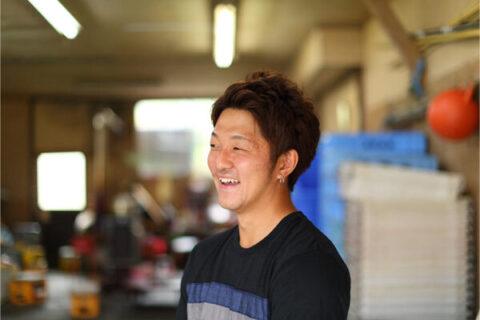
That changed when he met Shunji Murakami, founder of the ocean sustainability firm UMITO Partners.
“From the start, I could tell that Ogasawara-san had a deep desire to revitalize Tomamae,” Murakami says. “I’ve seen fishing towns across Japan facing the same challenges—declining stocks, aging workforces, fewer young people. Ogasawara-san’s determination stood out.”
Talking with Murakami opened Ogasawara’s eyes to a larger reality: fish populations were under strain not just in Tomamae, but globally.
“It hit me,” he remembers. “No matter how much I want to revitalize Tomamae, if there are no fish left in the sea, there’s no fishing—and no future for the village.”
Building the Sustainable Octopus Fishery Project
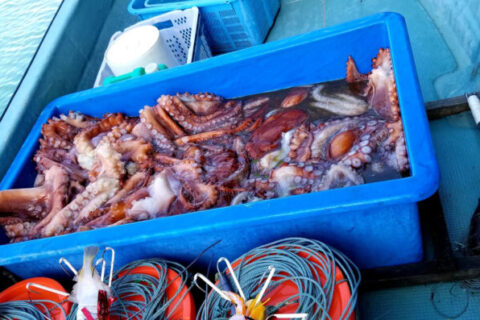
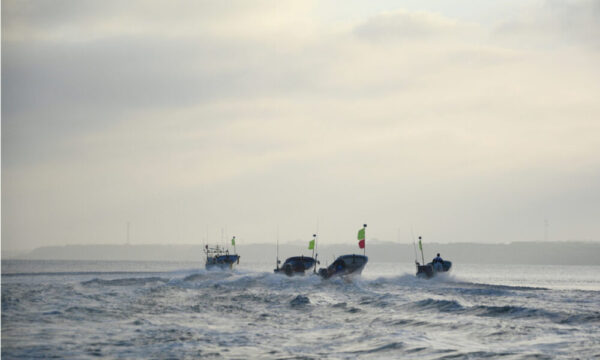
Determined to act, Ogasawara launched the Sustainable Octopus Fishery Project, bringing together 27 local fishers under a shared commitment to resource management. The goal was simple but radical: track octopus stocks, manage catches responsibly, and ensure long-term viability.
UMITO Partners helped design a practical monitoring system. Fishers began recording the size, weight, and number of octopus caught, along with fishing days and gear loss. They also agreed that if catch rates dropped below a certain threshold, fishing would pause to protect the stock.
The plan was sound, but convincing fellow fishers was another matter.
“Some people asked, ‘Why bother if we can still catch plenty now?’” Ogasawara recalls. “A few even thought I was being tricked by Murakami-san. It took two years of one-on-one conversations to get everyone on the same page.”
His message was clear: “This isn’t just about reducing catches. It’s about ensuring Tomamae’s fishery and culture survive 100 years from now.”
Struggles and Breakthroughs
Even with data in hand, the road was far from smooth.
“There were times when no one showed up to meetings,” Ogasawara admits. “It was disheartening. But connecting with like-minded fishers in other regions kept me motivated.”
Murakami nods at the memory of their setbacks: “We once had our proposal turned away at the co-op without even being heard. That nearly broke me. But Ogasawara-san’s persistence gave the project life.”
Gradually, the tide began to turn. Fishers started to see value in the project, not only as conservation but as an investment in the community’s future.
From the Sea to the Screen
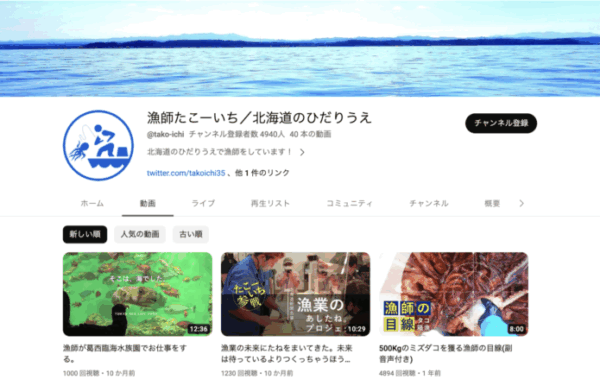
Ogasawara’s leadership didn’t stop at the water’s edge. He launched a YouTube channel, Fisherman Tako-ichi, to share Tomamae’s story and connect with a wider audience.
“Honestly, it’s exhausting and I think about quitting all the time—but people watch it!” he laughs. “It helps locals see the bigger picture of what we’re doing, and it connects us with people outside the region.”
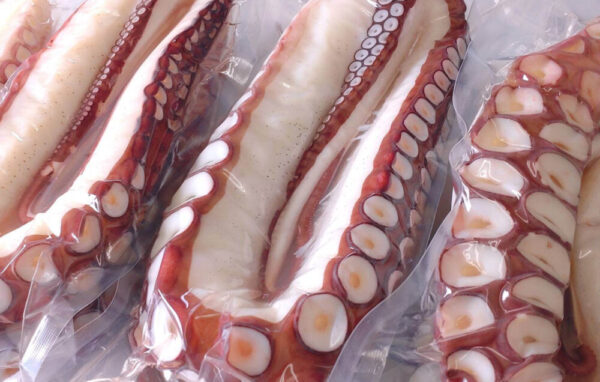
That connection led to something new: direct-to-consumer octopus sales. For the first time, customers could buy Tomamae octopus online and send feedback directly to the fishers.
“It’s eye-opening,” Ogasawara says. “We hear how fresh and delicious people find our octopus—and they appreciate the story behind it. Other fishers are starting to show interest in trying it too.”
Looking Ahead: A Shared Future
Five years in, the project is showing results. Octopus abundance is beginning to recover, and the idea of sustainability is taking root in Tomamae.
“Right now, the project is just within Tomamae,” Ogasawara explains. “But my goal is to expand across the Rumoi region, so neighboring communities can work together to manage resources.”
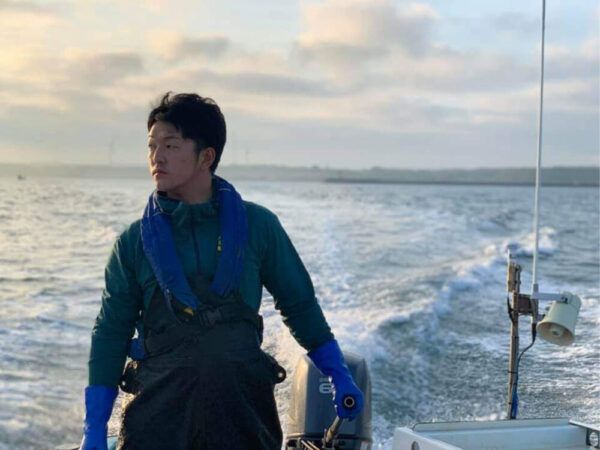
For him, the motivation runs deeper than economics: “I want to revitalize my hometown and make sure people can still enjoy delicious octopus a hundred years from now. The ocean is connected—we need regional cooperation.”
Murakami shares that vision: “This isn’t just about one fishery. It’s about showing how sustainability can build resilience for entire communities. It will take time, but the impact will be real.”
One Octopus, One Village, One Future
For Ogasawara, every octopus caught under the project’s rules is more than just seafood—it’s proof that a small fishing town can take its future into its own hands.
His story is not only Tomamae’s story, but also a reminder for coastal communities everywhere: sustainability isn’t just a distant goal. It’s a choice, one made day by day, tide by tide—sometimes even octopus by octopus.
Photo : Umito Partners
Text : Ayako Morioka
English adaptation and editing: Louie Okamoto, with AI-assisted translation